
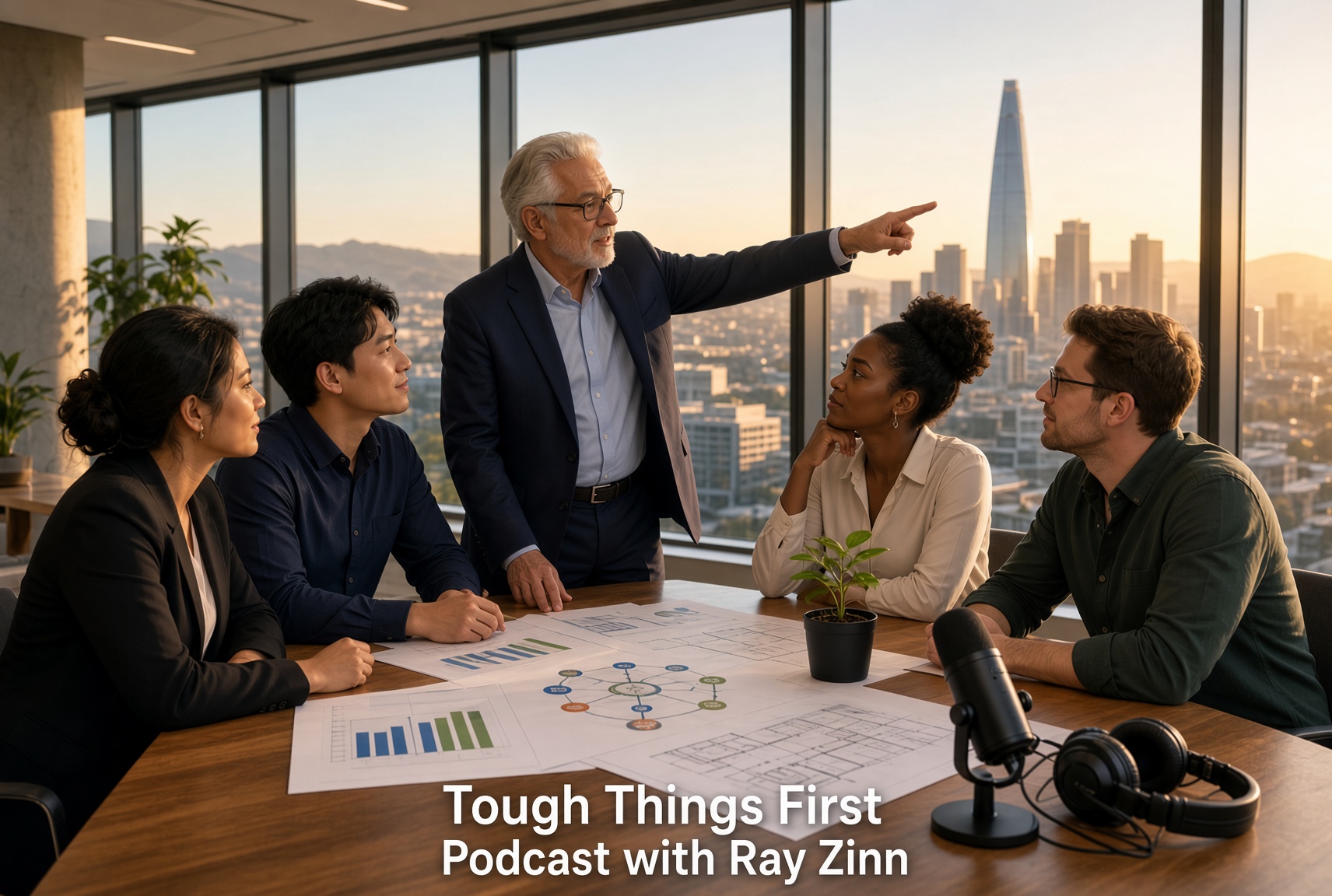
How do you attract and grow talent that cares more about becoming better humans than just getting rich? Ray Zinn explores hiring and developing people who build legacy companies.
Rob Artigo: Today we’re talking about one of the most important responsibilities for any leader, hiring and developing people who help build legacy companies. Specifically, how do you attract and grow talent that cares more about becoming better humans than just getting rich? And in the process, create low turnover, high loyalty teams, and et cetera, et cetera, that you’ve been an example of there at Micrel, Ray. So let’s start at the beginning. What does the values-based hiring look like in practice, and why is it so critical for building something that really lasts?
Ray Zinn: Well, it begins with the top. It begins with the leader of the company. And as they say, birds of a feather flock together. So you as the leader are the one that’s the hiring person; you’re the one that’s going to be setting the example of the kind of people you want to hire. Look at yourself in the mirror, say, “Is this the kind of person I want to hire? Do I want someone that doesn’t look like me or doesn’t act like me or doesn’t feel like me? Or do I want somebody who has the foundation that I believe I have and that I can promote in my organization?” So again, the birds of a feather flock together. So if you hire the people that are reflective of who you want and what you want, then you’re more likely to succeed. If you want somebody that has a higher standard, then you have to have a higher standard because you’re the one that’s defining what that standard is. And so you’re going to hire people that are going to emulate your example.
Rob Artigo: How do you design onboarding that sets up the right tone and truly integrates people into the culture rather than just checking some boxes?
Ray Zinn: Because you’re going to look at yourself again. You’re back to “What do you want? What individuals do you want in your company?” And that’s not checking boxes; that’s actually defining the character of your company. What character do you want in your organization? And you’ll ultimately get it. I mean, it’s interesting that on this podcast we’re talking about how do you get those values. It has to start with you. Those values have to be endemic with yourself. If you don’t have the values you want your employees to have, you’re unlikely to hire those kind of employees.
Rob Artigo: And then it’s an ongoing process. You have to have ongoing development and mentoring, right? And that’s what’s really going to help with retention. And the retention you want is for those great people who buy into this great culture that you build at your company.
Ray Zinn: Yeah, you’ll see it. I mean, as you bring the people on board, they’re going to really reflect the kind of person you are. If you look in the mirror and you’re happy with who you are, honestly happy, looking in the mirror means you’re being honest about it. You’re not trying to hide it, trying to cover it up. If you can look at yourself in the mirror and you can say, “I’m a good example,” then you’re liable to hire… More likely to hire good examples like yourself. And if you can’t look at yourself in the mirror, if you’re not happy with yourself, I wouldn’t attempt to hire anybody.
Rob Artigo: Yeah. And leaders often feel tension between demanding high performance, but also supporting personal growth. How do you balance the two so that people become both better performers and better people at the same time?
Ray Zinn: Well, again, it’s promoting the ideals that are going to help you become successful. We talked about cash is king, promoting those ideals. You got to act that part. If you want people who are a good interactor, good type of communicators, you’ll have to say, “What kind of communicator am I? How well do I communicate?” So again, you’re going to be the leader of the band, as they say. And so you lead, so you shall; they follow. And so again, the primary goal is to promote yourself. You’re going to get the people that reflect who you are.
Rob Artigo: Well, Ray, for the listeners who are tuning in right now, who want to shift towards this strategy, building the human as well as their effectiveness on the job, whether they’re building a new team or reshaping an existing one, what’s the first tough step they should take?
Ray Zinn: Well, they need you to set the values that they want for the company. Make a list. Define “What do you want? What kind of employees do you want working for you?” Make that list. It should include about 10 items of what you expect them to have, what kind of values you want them to have. And then you seek for those values. When you interview them, you’ll make sure that you’ve covered those areas that you want or you feel are the most valuable for you and your company.
Rob Artigo: Yeah. So the point is you not only make the list, but you got to consult it during your process.
Ray Zinn: Exactly.
Rob Artigo: Well, to our listeners, building a legacy company starts with the people you bring in and how you grow them. This week, you can take one concrete action out there. You can review your hiring questions for values alignment. You can start simple mentoring rituals, or you can have career growth conversations with a key team member. I mean, there are all kinds of things you can do out there to take Ray’s advice and put it into action this week. Subscribe, leave a review, and share this episode with leaders who are serious about building lasting teams. Join the conversation at toughthingsfirst.com. Of course, your questions and your comments are always welcome. Follow Ray Zinn at X, Facebook, and LinkedIn. And of course, pick up Ray’s books, Tough Things First, The Essential Leader, and make sure you also check out the new book, The Zen of Zinn Daily, so you can get more of this action every single day. So until next time, do the tough things first, right, Ray?
Ray Zinn: Absolutely. Do the tough things first. Do it today, not tomorrow.

Comment (1)
-
Genuinely one of the more helpful reads this month. Consistency beats intensity almost every time in a long preparation. Solving without a timer builds knowledge but not exam readiness. Thanks for the honest advice.