
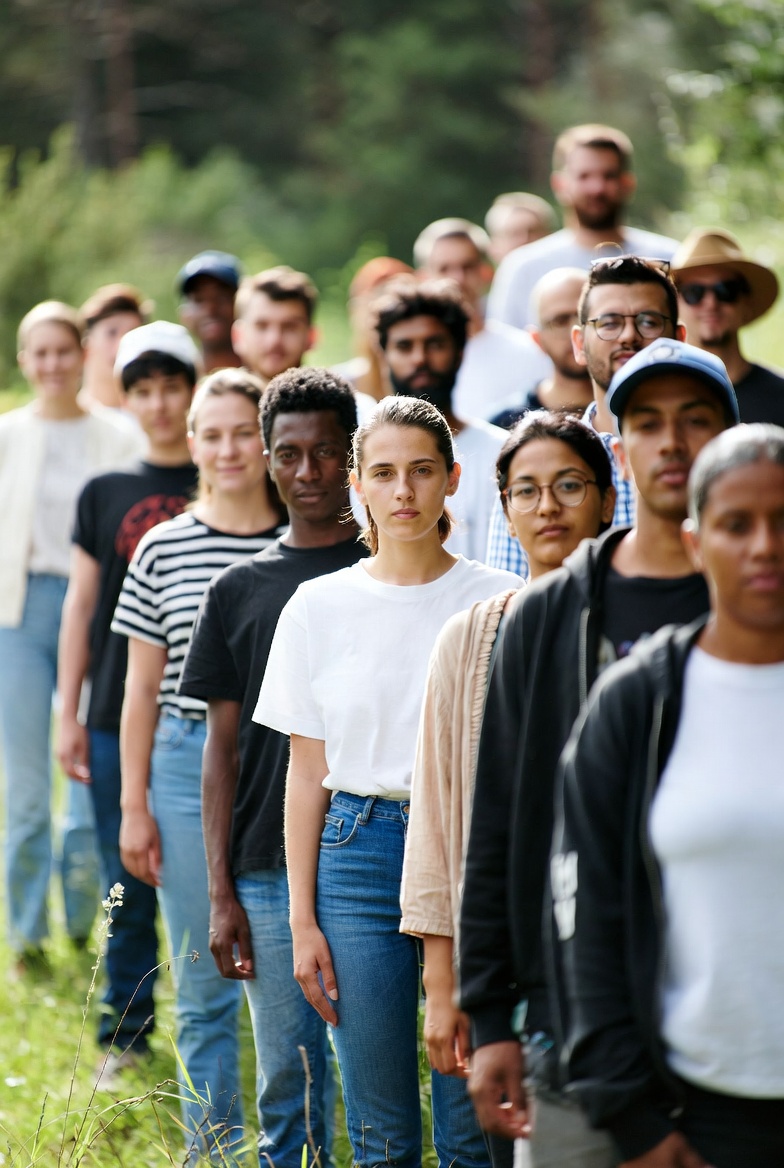
Some people believe equality and equity are the same thing. In this Tough Things First podcast, Ray Zinn dives into what equality really means.
Rob Artigo: … We fairly recently did a podcast on so called equity and inclusion. So, let’s turn our attention to what it actually means to be equal. Are we talking about equal outcomes like wealth, status, and happiness? What are we talking about here?
Ray Zinn: No, we’re talking about we’re all innately creating God’s image and likeness, but that we’re not all at the same status.
Ray Zinn: And so, it’s misleading to say that we all must be equal, equal in height, equal in skin color, equal in education, equal in goals and objectives, equal in the places where we live. We’re taking this equality thing way beyond what it was intended by our founding fathers. We should all have that right to happiness and a pursuit of joy and pleasure here on earth. We all have that liberty, I should say, life, liberty, and pursuit of happiness. We all have that right, and then that way we are equal. So, we’re equal in our rights, or at least to have our right to have, as you would, but we’re not all at the same status, whether it be living the same area or having the same education and religion and so forth.
Rob Artigo: I remember, I’m trying to think of the quote. It comes from George Orwell’s novel Animal Farm. And the quote is, “Some people are more equal than others.” And it seems like that’s what we have in our society now is that you have, it’s like we want equality, but in actuality, you have some people, some groups that are considered more equal than others. So it’s, again, kind of an Orwellian doublespeak scenario where they’re saying, “Hey, this is equality, but we have to move these people up above this group because they have to be helped.”
Ray Zinn: We’re back to this. We’re more equal than they want to give us credit for. We have equal agency and we can choose for ourselves what kind of job we want to pursue, who we want to marry, how many children we want to have, where we want to live, how much education we’d like to have, what our hobbies are. We are all equal in that sense that we have that right to choose, as you would, whatever we’d like. Now, is liberty and access to everything equal around the world? No. Some countries have more regulation regarding where you can live, what you can do. I think in some of the communist countries, you’re actually told what kind of education you’re going to have, where you’re going to work. And those are the countries that supposedly are looking out for the little guy, the individual, when in fact they’re really not because to make it equal in their sense of words, you have to force people into certain categories.
But that’s not equality, that’s using force to make people have a certain education or have how many children can you have. Some countries limit how many children you can have. They limit where you can live. If you’re told to go here, go there, or you’re going to work for this company or that company, that’s not liberty. That doesn’t give you the right for you to choose. And the more socialistic that we try to make society, the more we lose our liberty. They said those who like socialism and communism, they believe that’s equality. That’s not. You’re forcing equality, in the sense of word that you’re forcing people to be at a certain place at a certain time and a certain way. That’s not preserving our liberties, our right to choose what we want to do when we want to do it. So, there are limitations. Of course, we have laws that ask you not to go over a certain speed limit or not to do certain things that are with a gun or any other form of personal liberty.
You can’t just go, I guess you could go shoot somebody and that you’re given that God-given right to choose to do that, but you’re going to pay a price for it. There’s a consequence for it. It’s like speeding. You’re going to exercise your right to speed, but you’ll pay a price for that. There’s that thing that people believe with all these laws and regulations, we lose our liberty, but we’re not. We still can choose, but we’re going to pay a consequence for a bad choice, or even for a good choice, there’s a consequence.
Rob Artigo: Well, you mentioned, since you talk about the legal system, equality also means having the same rules that everybody has to abide by them. So, the idea of blind justice is equality. And I think right now, we’ve seen an erosion of that in the justice system.
Ray Zinn: That’s that law fare thing where you’re taking away a person’s liberty by using the laws to do that. And there’s defund the police and all these other things that they think make it more equal as you would when in fact we’re not, because the more equal you make one person, you make the other person unequal. They say, well, reparations and other ways to try to make it equal doesn’t because then you’re harming, you took the money from to form that reparation. There’s a fine line between what you can do with laws and regulations before you start making it unequal. And so, what we try to do in this country, because we have a democracy, is we elect people that we believe will represent us, and then we expect them to go to legislation and provide the foundation for those legalities or laws that we want.
And while there is an apparent inequality in certain ways, there’s a fine line, or line in the road as you would, that you can’t step over. That’s why we have the laws based on the Mosaic law, as you would, which is called the moral law, and that’s more uniform around the world than the laws that are written by man, as opposed to written by God as you would, or the moral law. Being equal means you have that right to choose where you want to live, how you want to live, the kind of education, the spouse you want to marry, how many children you want to have. We try to make, in a true democratic society, we try to make it as equal as possible without infringing on the rights of others.
Rob Artigo: It’s an interesting topic. We could probably go on for hours on this one.
Ray Zinn: To be equal, you have a responsibility as a person to treat people equally. So, we’re talking about treating as opposed to living as you would. So, you treat your employees equally, treat your friends, your family. Don’t discriminate, to the degree you can, don’t discriminate in the way you treat other people. With kindness, love, and patience, and understanding, tolerance, empathy, and all those other words that describe how we should treat each other, that’s the key for true equality.
Rob Artigo: I’d like people to, the listeners to check out the website, toughthingsfirst.com, because if they want to continue the conversation, they can do it there. And questions and comments are always welcome. Ray, we have you on X, Facebook and LinkedIn, so our listeners can go there. And of course, we wanted them to get the books. Tough Things First, the Zinn of Zinn series one, two, and three. And on sale now, The Essential Leader: 10 Skills, Attributes, and Fundamentals That Make Up the Essential Leader. Thanks, Ray.
