
By Ray Zinn, Silicon Valley’s Longest-Serving CEO
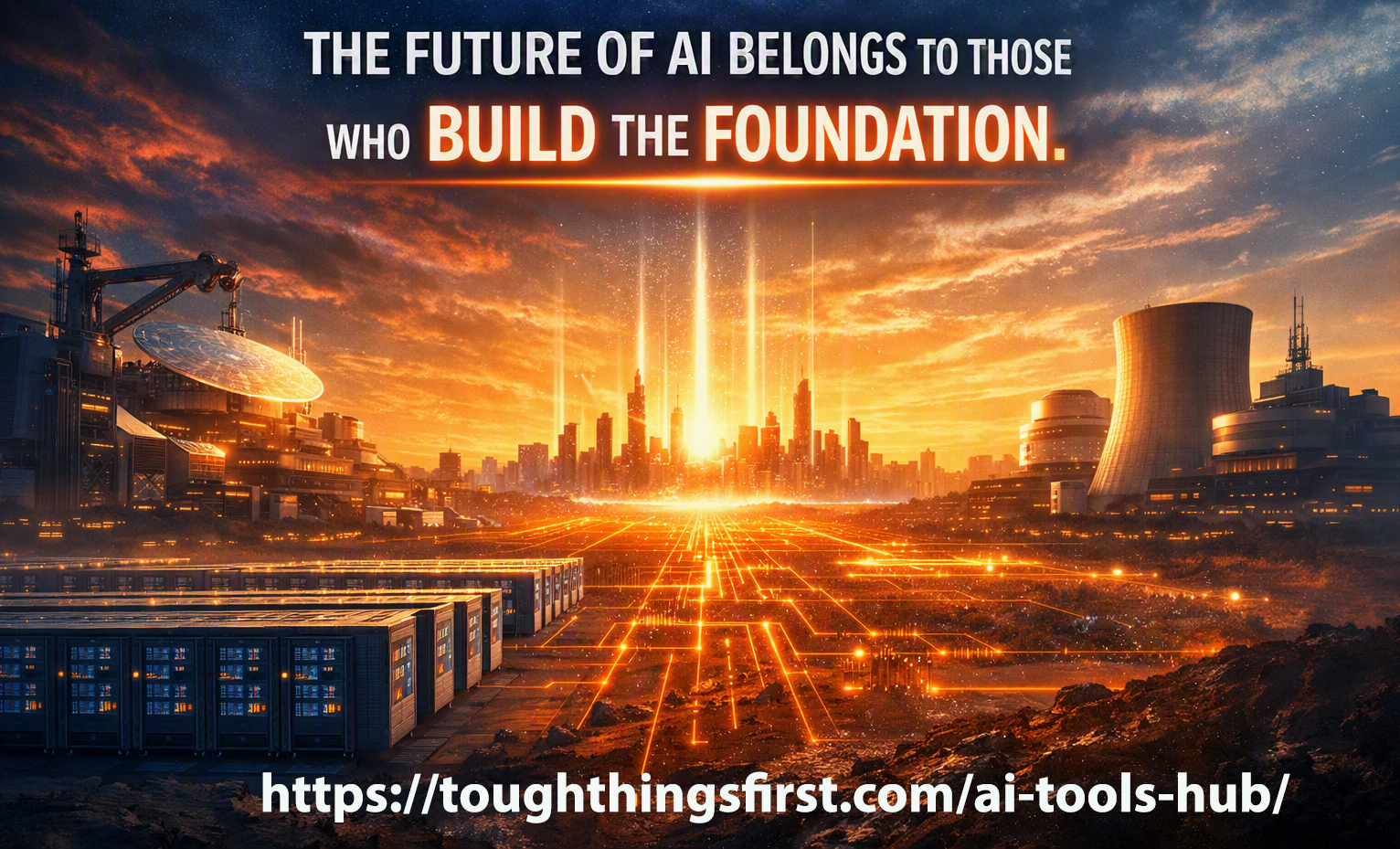
Artificial intelligence may dominate headlines through chatbots, assistants, and clever demos — but the real race isn’t happening on your screen. It’s happening deep in the world’s fabs, foundries, and datacenter buildouts. AI is rapidly shifting from “software you use” to infrastructure you depend on, and the companies investing early are positioning themselves to lead the next generation of technology.
This shift mirrors the themes I explore on my AI leadership page — AI isn’t magic, and it isn’t mystery. It’s engineering, discipline, and long‑term thinking.
AI is Becoming Infrastructure
Samsung, Broadcom, TSMC, NVIDIA, and the hyper‑scalers are pouring hundreds of billions into AI infrastructure. Not apps. Not interfaces. Infrastructure.
AI at scale requires:
- Massive memory bandwidth
- Advanced packaging
- High‑performance interconnects
- Specialized silicon
- Datacenter‑level power and cooling
This isn’t a software revolution — it’s an engineering one.
A Familiar Pattern: The Early Semiconductor Industry
When I look at today’s AI buildout, I’m reminded of the early days of the semiconductor industry. Back then, the companies that invested before demand exploded became the ones that defined the next era.
They didn’t wait for the market to mature. They didn’t wait for certainty. They built the infrastructure first — and leadership followed.
This is the same principle behind my four pillars of success:
- Pillar 1 – Discipline & Focus
- Pillar 2 – Built to Last
- Pillar 3 – People & Culture
- Pillar 4 – Character & Faith
What I learned at Micrel (a Tough Things First story)
During my years building Micrel, I saw this pattern repeatedly. The companies that took the long view — those willing to invest in capability, manufacturing depth, and reliability — were the ones that endured.
We didn’t chase hype. We didn’t chase shortcuts. We invested in what would matter five years later, not five months later.
One of the most defining moments came in 1994, on the eve of Micrel’s IPO. After 16 straight years of profitability, we were presenting to investors in London when my eyesight suddenly failed. Within days, specialists confirmed I was legally blind — and that it was irreversible.
Conventional wisdom said to stall the IPO, step aside, or hand the company to someone else. But discipline means doing the tough things first, not the comfortable ones. Instead of retreating, I adapted. I reorganized my workflow, adopted new tools, and continued leading Micrel through its public offering and for the next 20 years.
That moment taught me — and my entire organization — that endurance comes from preparation, resilience, and refusing to chase shortcuts. Infrastructure, whether in a company or in AI, demands that kind of discipline.
Today’s AI leaders are Doing the Same
Look closely at the companies shaping AI today:
- NVIDIA is investing in memory, networking, and full‑stack systems.
- TSMC is expanding advanced packaging capacity at unprecedented scale.
- Samsung and SK Hynix are redefining memory as a strategic asset.
- Hyper‑scalers are building AI‑optimized data centers that look more like power plants than server farms.
These companies aren’t betting on chatbots. They’re betting on infrastructure — the foundation every future AI application will rely on.
The Lesson for Entrepreneurs
If you’re building a company today, the message is simple:
Don’t chase the visible hype. Build the invisible foundation.
The world will always reward the companies that prepare before the market demands it. My AI Toolkit was built for exactly this reason — to help leaders think in terms of endurance, not headlines.
The Real AI Race
The real AI race isn’t about who builds the smartest chatbot. It’s about who builds the infrastructure that makes all AI possible.
And just like the semiconductor industry I grew up in, the leaders will be the ones who invest early, think long‑term, and stay disciplined when everyone else is chasing shortcuts.
If you want to explore how to apply these principles inside your own organization, start with my AI Tools Hub — they’re designed to help founders and executives navigate this new era with clarity, discipline, and endurance.
Additional Resources:
Ways to buy Tough Things First
Ways to buy The Essential Leader
